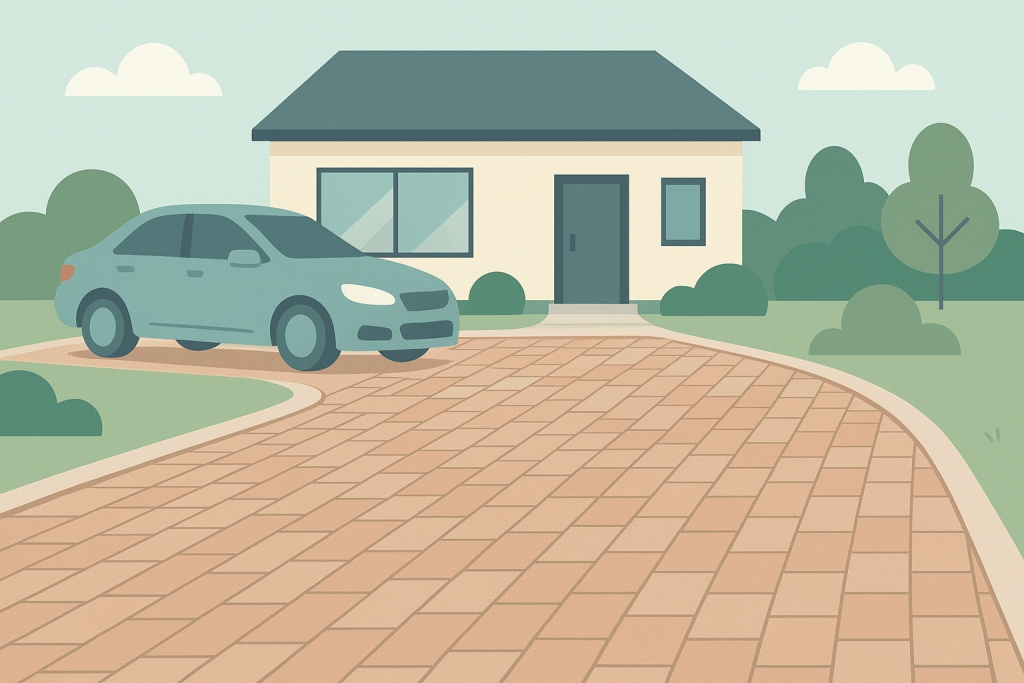
If you’re thinking about upgrading your driveway or patio, you’ve probably looked at a few options already. Tarmac, resin, gravel. But time and time again, homeowners across Buckinghamshire come back to block paving. As a block paving installer will tell you, it’s one of the most versatile and long-lasting surfaces you can choose for a home.
Whether you want to freshen up tired driveway block paving or you are planning a full driveway installation in Amersham, block paving gives you flexibility in design, solid durability and that smart finish people notice straight away when they pull up outside.
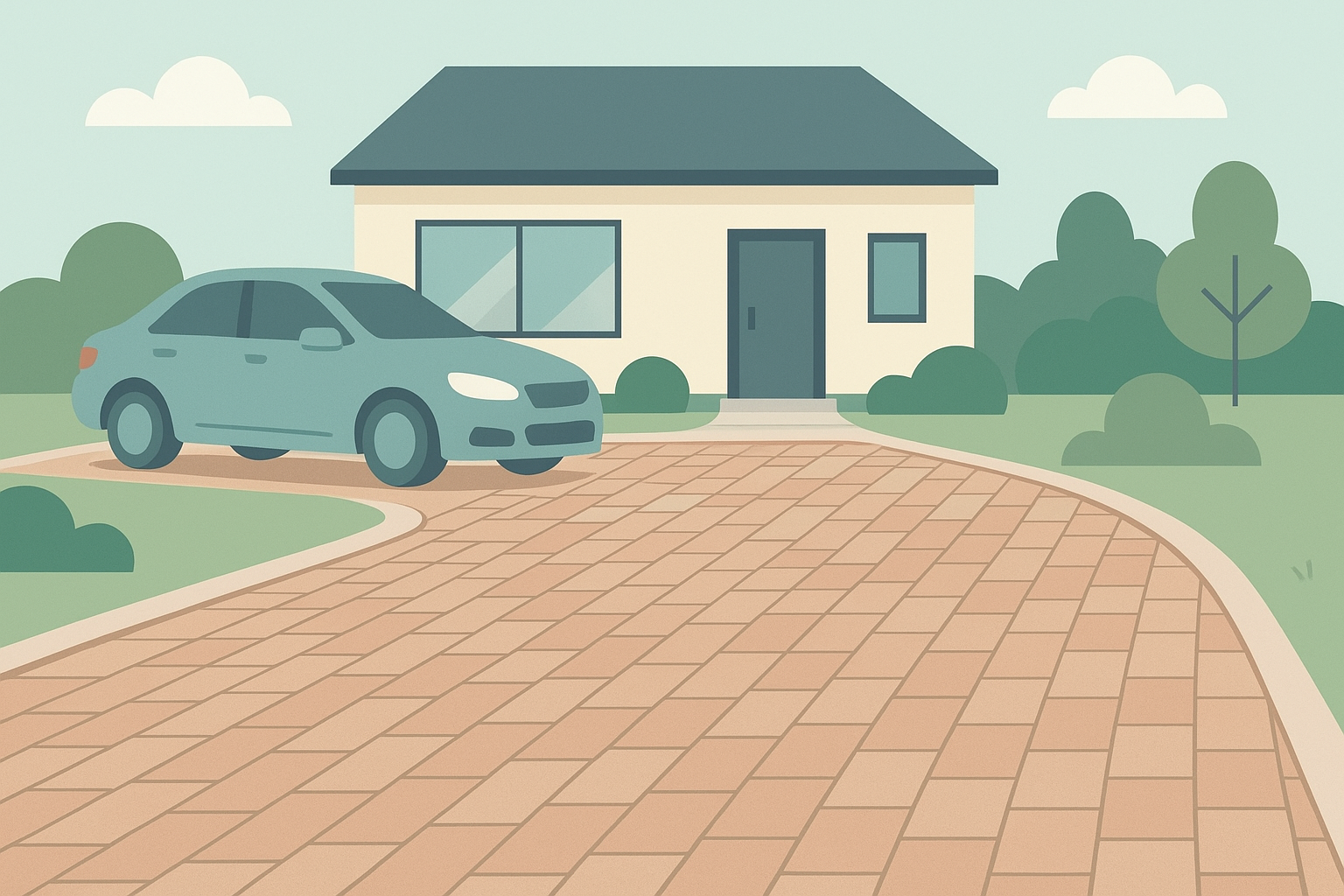
Why Block Paving Is So Popular for UK Driveways and Patios
There’s a reason you see so many block paving driveways around Amersham, Chesham and the surrounding villages. It suits British homes. From 1930s semis to newer builds and larger detached properties, block paving just works.
Our weather plays a big part too. We get heavy rain, frosty mornings and the occasional heatwave. A properly installed block paving surface copes with all of it, provided the groundwork has been done properly underneath.
Durability That Lasts
One of the biggest advantages is strength. When installed on a solid sub-base, block paving easily handles cars, vans and regular foot traffic. It flexes slightly under load which helps prevent cracking, unlike poured concrete.
We often get called out to older driveways that were installed twenty or even thirty years ago. In many cases, the blocks themselves are still in good shape. It’s the base or the edge restraints that need attention.
Instant Kerb Appeal
Driveways make up a large part of what people see from the road. Smart block paving can completely change the look of a property. With different colours, patterns and borders available, it is easy to create something that complements your brickwork and roof tiles.
Simple additions like a contrasting edge course or a subtle herringbone pattern can lift the whole front of the house without going over the top.
Drainage and Practicality
Drainage matters, especially with tighter regulations on front gardens. Permeable block paving options allow water to soak through rather than running off into the road. This can help avoid puddling near the house and reduce pressure on drains.
In areas with heavier clay soil, getting the sub-base and fall right is essential. It is not something you see when the job’s finished, but it is what makes the difference long term.
Easy Repairs
One overlooked benefit is how straightforward block paving repair can be. If a section sinks or gets stained, individual blocks can be lifted and replaced without redoing the whole driveway. That flexibility is a big plus compared to one-piece surfaces.
Types of Block Paving and Design Options
Not all block paving is the same. Choosing the right type depends on budget, appearance and how the space will be used.
Concrete Block Paving
This is the most common choice for block paving driveways. It comes in a wide range of colours and finishes, including tumbled options for a more traditional feel. It offers good durability at a sensible price point.
Clay Block Paving
Clay blocks hold their colour exceptionally well because the colour runs through the material. They tend to suit period properties and can look particularly good on older homes around places like Chalfont St. Giles and Prestwood.
Permeable Blocks
Designed to allow water to drain through the joints, permeable blocks are useful where drainage is a concern. They require a specific sub-base build-up, so they must be installed correctly to perform as intended.
Resin and Block Paving Combinations
Some homeowners now opt for resin and block paving together. For example, a resin surface for the main driveway with block edging or detailing. It can create a clean, modern finish while keeping decorative borders and strong edges.
What Happens During Block Paving Installation
Good block paving installation is as much about what’s underneath as what you see on top. Here’s how the process typically works.
1. Excavation
The existing surface is removed and the area is excavated to the correct depth. For a driveway, this is usually deeper than a patio because it needs to support vehicles. Skipping depth is one of the main reasons driveways fail.
2. Sub-Base Installation
A layer of MOT Type 1 is laid and compacted in stages. This creates a stable foundation. On clay-heavy soils common in parts of Buckinghamshire, proper compaction is critical.
3. Edging Restraints
Strong edge restraints are installed around the perimeter. These stop the blocks from spreading over time.
4. Laying Course and Blocks
A layer of sharp sand is screeded level, then the blocks are laid by hand in the chosen pattern. Once in place, kiln-dried sand is brushed into the joints and the surface is compacted.
When done properly, the finish should feel solid underfoot with no movement.
Common Problems and How Repairs Help
Even the best surfaces can develop issues over time. The most common problems we see with older driveway block paving include:
- Sinking areas where the sub-base has failed
- Loose or missing jointing sand
- Weed growth between blocks
- Staining from oil or leaves
Professional block paving repair usually involves lifting the affected area, correcting the base and relaying the original blocks. That way the repair blends in rather than looking like a patch.
Block Paving Maintenance Tips
Block paving maintenance does not need to be complicated, but a little upkeep goes a long way.
- Sweep regularly to prevent debris build-up
- Wash occasionally with a light pressure wash, not too aggressive
- Top up jointing sand if joints start to look low
- Treat weeds early before roots establish
Sealing is sometimes recommended, but it is not always essential. It depends on the location, usage and type of blocks. A good contractor will advise honestly rather than automatically upselling it.
Why Use Professional Block Paving Contractors
It can be tempting to go with the cheapest quote, but block paving is only as good as the preparation underneath. Reputable block paving contractors focus heavily on groundwork, levels and drainage.
We’ve seen many cases where a surface looked great for the first year then started dipping because the base was not deep enough. Fixing that costs more than doing it correctly in the first place.
A professional team will also help you choose the right materials, plan the layout to maximise parking space and ensure compliance with drainage rules for front gardens.
Thinking About a New Driveway or Patio?
Block paving remains one of the most practical and attractive choices for Buckinghamshire homes. With the right design and proper installation, it can last for decades while adding real kerb appeal.
If you are considering driveway installation in Amersham or nearby areas including Chesham, Hazlemere, Chalfont St. Giles and Prestwood, it pays to speak to a local team who understand the ground conditions and styles of homes in the area.
Mammoth Services provides professional block paving installation, block paving repair and ongoing block paving maintenance for homeowners who want the job done properly first time.
Contact Mammoth Services for a free block paving quote