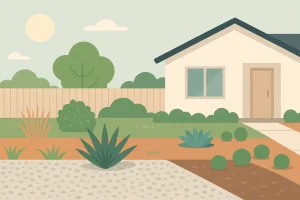
Landscaping your garden is an exciting project, transforming an outdoor space into a beautiful sanctuary. However, it often comes with a set of challenges that can make the process feel overwhelming. From poor soil quality to difficult terrain and unpredictable weather, many factors can affect your landscaping plans. At Mammoth Services, we understand these challenges and have the expertise to help you navigate them effectively.
In this blog post, we’ll explore some of the most common landscaping challenges homeowners face and provide expert solutions to ensure your garden thrives. Let’s dive in!
1. Poor Soil Quality
The Challenge
The foundation of any successful garden lies in the soil. Unfortunately, many gardens start with poor soil quality, which can be rocky, sandy, or clay-heavy. Such soil types can hinder root growth, reduce plant health, and make it difficult to maintain a lush garden.
The Solution
The first step in addressing soil quality is to conduct a soil test. This will reveal the pH level and nutrient content of your soil, allowing you to make informed decisions. Depending on the results, you might need to amend your soil with organic matter like compost, peat moss, or well-rotted manure to improve its structure and fertility.
Additionally, consider hiring a professional landscaping company, like Mammoth Services, to help with soil preparation. Our experts can assess your soil’s condition and provide tailored solutions, ensuring your plants have the best start possible.
2. Inadequate Drainage
The Challenge
Inadequate drainage can lead to water pooling in your garden, which can drown plants and create a breeding ground for pests. Poor drainage often results from compacted soil, incorrect grading, or the presence of hard surfaces that prevent water absorption.
The Solution
To improve drainage, consider implementing a combination of techniques. One effective method is to create swales or drainage ditches that direct excess water away from your garden. Installing a French drain can also help channel water away from problem areas.
Additionally, amending your soil with organic matter can increase its ability to absorb water, reducing the risk of pooling. If you’re unsure how to approach drainage issues, our team at Mammoth Services can assess your property and implement effective drainage solutions tailored to your landscape.
Addressing excess moisture not only protects plant health but also plays a key role in limiting pest activity, as standing water and damp soil create ideal conditions for insects and other unwanted intruders to thrive. Mosquitoes, ants, and various soil-dwelling pests are especially drawn to consistently wet environments, turning minor drainage issues into larger infestations if left unmanaged.
In addition to improving water flow, maintaining dry, well-aerated soil and removing organic debris can significantly reduce these risks. Incorporating guidance from Halo Pest Solutions into your overall garden care approach can further support prevention efforts, helping to identify vulnerable areas and implement practical measures that discourage pest breeding. By combining proper drainage techniques with ongoing pest awareness, outdoor spaces can remain healthier, more balanced, and far less inviting to persistent infestations.
Even with strong drainage practices in place, surrounding landscape features can continue to influence pest activity in subtle ways. Overgrown shrubs, dense mulch beds, stacked firewood, and shaded corners often provide the perfect shelter for insects to hide and reproduce. Regular trimming, spacing plants for airflow, and keeping garden borders neat all contribute to a cleaner environment that naturally discourages unwanted pests from settling in. These traditional upkeep habits have long been the foundation of a healthy yard, proving that simple consistency often works better than dramatic fixes.
For a more complete layer of protection, many homeowners choose to pair these routines with professional support from Bug and Bloom exterminators, whose targeted treatments can address hidden nesting zones that routine garden care may miss. Their expertise helps bridge the gap between beautiful landscaping and effective pest prevention, ensuring that ornamental beds, vegetable patches, and patio spaces remain enjoyable throughout the seasons. When thoughtful maintenance and strategic pest control work hand in hand, the result is an outdoor space that feels balanced, welcoming, and far less vulnerable to recurring infestations.
3. Pest and Disease Management
The Challenge
Pests and diseases can wreak havoc on your garden, damaging plants and disrupting the ecosystem. Identifying and controlling these threats can be challenging, especially if you’re not familiar with common garden pests or diseases.
The Solution
Regular monitoring is key to preventing pest and disease issues. Inspect your plants frequently for signs of trouble, such as wilting leaves or unusual spots. Integrated pest management (IPM) strategies can help minimise the impact of pests while reducing the need for chemical treatments. This includes promoting beneficial insects, such as ladybugs, and using organic pesticides when necessary. Extending these principles beyond individual gardens, structured pest management practices can further strengthen long-term prevention by combining careful inspection, environmental awareness, and targeted treatment methods.
Approaches used by professional services such as Cura Pest reflect this same balanced philosophy, focusing on monitoring pest activity, identifying contributing conditions, and applying measured control techniques that help limit infestations while maintaining ecological balance. By integrating observation, prevention, and responsible intervention, pest management becomes a continuous process that supports healthier plant environments and reduces the likelihood of larger outbreaks developing over time.
Building on this foundation of consistent monitoring and balanced intervention, reliable support systems play an important role in ensuring that pest concerns are addressed promptly and effectively. Timely action can prevent minor issues from developing into more persistent infestations, reinforcing the value of responsive service combined with thorough treatment methods.
Working with experienced professionals, such as Pest Me Off exterminator in Frisco, supports this approach by offering same-day service and a commitment to follow-up care if pests persist after initial treatment. This continued attention ensures that solutions are not only applied but also maintained, creating a cycle of accountability and long-term effectiveness. By aligning rapid response with careful observation and targeted strategies, pest management evolves into a dependable process that prioritizes both immediate relief and sustained environmental balance.
4. Plant Selection and Placement
The Challenge
Choosing the right plants for your garden can be a daunting task. With so many options available, it’s easy to become overwhelmed, leading to poor choices that may not thrive in your garden’s conditions. Additionally, improper placement can result in overcrowding, shading, or competition for resources.
The Solution
Start by assessing your garden’s sunlight, moisture levels, and soil type. This will help you identify which plants will flourish in your specific conditions. Native plants are often a great choice, as they are well-adapted to local climates and require less maintenance.
Once you’ve selected your plants, consider their mature size and growth habits to ensure they have enough space to thrive. When in doubt, consult with a landscaping professional, as they can provide invaluable insight into the best plant selections for your garden.
5. Seasonal Maintenance
The Challenge
Seasonal maintenance can feel overwhelming, especially if you’re not sure what needs to be done at different times of the year. Neglecting seasonal tasks can lead to an untidy garden and hinder the growth of your plants.
The Solution
Creating a seasonal maintenance schedule can help you stay organised and ensure your garden receives the care it needs. This should include tasks such as pruning, mulching, fertilising, and weeding.
If you prefer a hands-off approach, consider hiring Mammoth Services for regular maintenance visits. Our team can take care of all your landscaping needs, allowing you to enjoy your garden without the stress of upkeep.
6. Creating a Cohesive Design
The Challenge
One common challenge in landscaping is creating a cohesive design that flows seamlessly from one area to another. A disjointed look can detract from the beauty of your garden and make it feel less inviting.
The Solution
When planning your landscape design, consider the overall style of your home and how it relates to the outdoor space. Use similar colours, textures, and materials to create harmony throughout the garden. Incorporate pathways, seating areas, and focal points to guide the eye and create a sense of flow.
For expert design assistance, reach out to Mammoth Services. Our skilled landscapers can help you develop a cohesive design that enhances your outdoor space and reflects your personal style.
Conclusion
Landscaping challenges are a common hurdle for homeowners, but with the right knowledge and support, they can be overcome. Whether you’re dealing with poor soil quality, inadequate drainage, pest management, plant selection, seasonal maintenance, or creating a cohesive design, the experts at Mammoth Services are here to help.
If you’re searching for a soft landscaper in Chalfont St Giles, or the surrounding areas look no further. Our dedicated team is committed to transforming your outdoor space into a beautiful and functional garden that you can enjoy for years to come.
Contact us today to discuss your landscaping challenges and discover how we can help you achieve the garden of your dreams! Let Mammoth Services take the stress out of landscaping and turn your vision into reality.